Categories
Blog Gas Boilers

Why summer is the best time to start thinking about how you heat your home.

The worst time to think about your heating is when it stops working in winter.

Most homeowners do not think about their heating system until winter arrives.

During the summer, the heating is used less, problems can go unnoticed and replacing or upgrading the system rarely feels urgent. But once temperatures drop, heating appliances work much harder and existing issues are far more likely to appear.

Boilers and heat pumps run for longer, homes need higher temperatures and faults that were not obvious in summer can quickly become a breakdown.

Why winter becomes so busy

Winter is naturally the busiest time for heating companies.

People are spending more time at home, appliances are under greater demand and more customers need urgent repairs, replacements and heating upgrades.

This can mean longer waits and less time to properly consider your options.

When a heating system breaks down in cold weather, the priority is usually to get the heating back on as quickly as possible. That can lead to rushed decisions rather than choosing the best long-term solution for the property.

Why summer is the better time to plan

Planning during summer gives you time to assess the full heating system properly.

That includes looking at:

  • Heat loss
  • Radiator sizes
  • Pipework
  • Controls
  • Hot-water demand
  • Insulation
  • Boiler or heat pump suitability

This is especially important with heat pumps, where the whole system must be designed to work efficiently at lower temperatures.

Summer installations can also be less disruptive because the heating is not being relied on every day.

Be ready before the cold weather arrives

You do not need to wait for a breakdown before reviewing your heating.

If your energy bills are rising, some rooms struggle to warm up or your current system is getting older, summer is the ideal time to explore your options.

At The Thermal Heat Company, we look at the complete heating system, not just the appliance. Our aim is to design a system that keeps your home comfortable, works efficiently and is ready before winter arrives.


Categories
Heat Pumps

Why People Think Heat Pumps Don’t Work (And Why They’re Wrong)

Heat Pumps Don’t Work? Here's What Most Homeowners Get Wrong

If you’ve spent any time researching renewable heating, you’ve probably come across claims that “heat pumps don’t work.”

It’s one of the most common questions we hear as a heat pump installer in Derby, serving homeowners across Derbyshire, Nottinghamshire, Staffordshire, and the wider East Midlands.

The truth is simple: heat pumps do work.

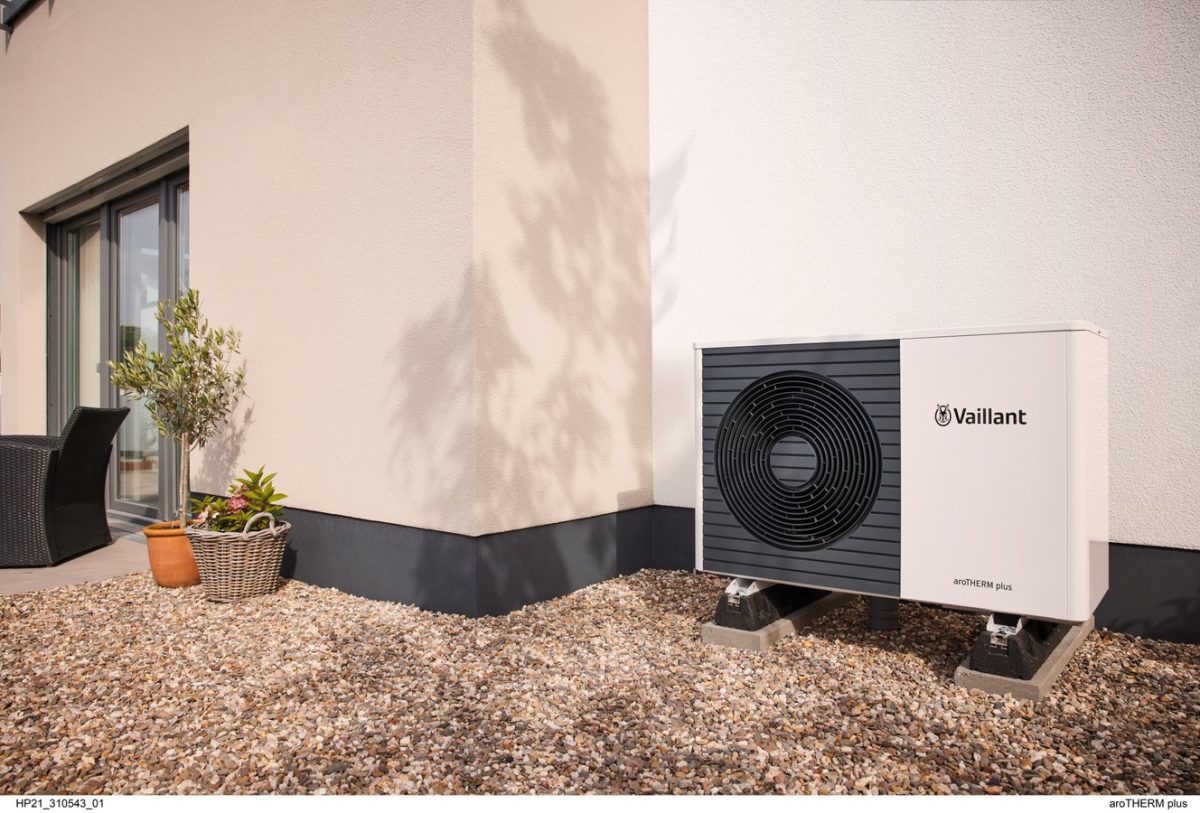
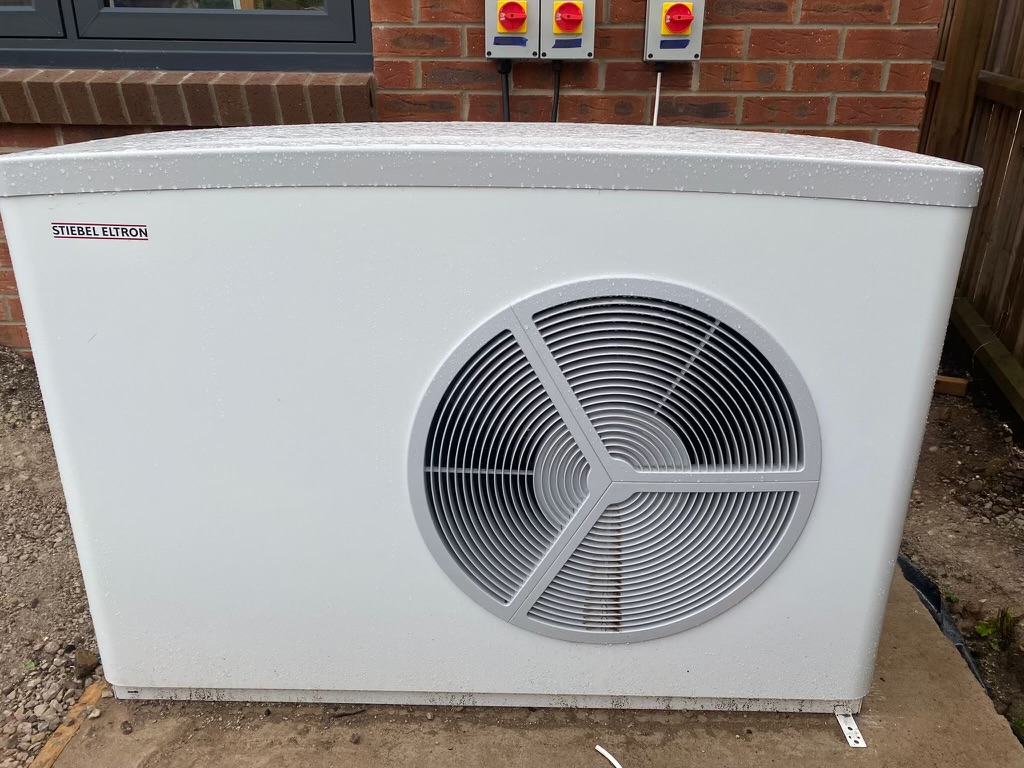
Modern air source heat pumps are successfully heating millions of homes across Europe and the UK and are becoming one of the most popular alternatives to gas boilers. When correctly designed and installed by an experienced heat pump installer in Derby, they provide reliable heating, hot water, and excellent energy efficiency throughout the year.

At The Thermal Heat Company, we install heat pumps across Derby, Burton upon Trent, Ashbourne, Belper, Matlock, Chesterfield, Nottingham, Ilkeston, Long Eaton, Ripley, and surrounding areas throughout the East Midlands.

Let’s separate fact from fiction…

Why do some people think heat pumps don’t work?

Many negative experiences and stories can traced back to one or all the following issues:

Poor system design

Incorrect installation

Unrealistic expectations

A heat pump is not simply a boiler replacement. The system should be designed to suit the property’s heating requirements, insulation levels and radiator sizes. When shortcuts are taken, performance can suffer.

Do Heat Pumps Work throughout Winter?

Modern air source heat pumps are designed to run in low outdoor temperatures and continue extracting heat from the air even during winter conditions.

In fact, many systems continue to operate efficiently when temperatures drop below freezing.

While a heat pump works differently from a traditional gas boiler, it can keep your home warm and comfortable throughout the colder months.

Are Heat Pumps Expensive to Run?

Not necessarily...

The running cost of a heat pump depends on:

  • Property insulation
  • Heating demand
  • Electricity tariffs
  • System design
  • User controls

Because heat pumps are highly efficient, they can produce several units of heat for every unit of electricity consumed.

This efficiency is one of the reasons heat pumps are becoming increasingly popular as energy prices continue to fluctuate.

The best way to describe it is that a heat pump is a long term investment.

Heat Pumps Work Even Better with Solar Panels, Battery Storage and EV Charging

One of the biggest advantages of a heat pump is how well it integrates with other renewable technologies.

Unlike a gas boiler, a heat pump runs on electricity, which means it can take advantage of electricity generated by solar panels and stored in home battery systems.

For homeowners looking to reduce their energy bills and carbon footprint, combining a heat pump with solar PV and battery storage can create a highly efficient home energy system.

Benefits include:

Using free electricity generated by your solar panels to help run your heat pump.

Storing excess solar energy in batteries for use during the evening.

Reducing reliance on energy imported from the grid.

Lowering overall household energy costs.

Future-proofing your home against rising energy prices.

Many homeowners are now creating fully integrated renewable energy systems that combine:

  • Air source heat pumps
  • Solar PV panels
  • Battery storage
  • Electric vehicle (EV) chargers

This allows a single system to provide heating, hot water, electricity generation, energy storage, and vehicle charging from renewable sources.

As the UK continues its transition towards cleaner energy, these technologies work together to help households become more energy independent while reducing running costs and emissions.

Why Some Heat Pump Installations Underperform

When people say their heat pump “doesn’t work,” there is usually an underlying reason.

  • Incorrect Sizing
  • A heat pump that is too small may struggle to meet demand during colder periods.
  • Poor System Design
  • Existing radiators and pipework may need upgrades to maximise performance.
  • Lack of Commissioning
  • Proper setup and optimisation are essential to ensure the system runs efficiently.
  • User Education

Heat pumps work differently from boilers. Understanding how to use controls effectively can make a significant difference to comfort and efficiency.

Heat Pumps vs Gas Boilers

Both systems have their advantages, but heat pumps offer several benefits:

  • Lower carbon emissions
  • High energy efficiency
  • Reduced reliance on fossil fuels
  • Eligibility for the Boiler Upgrade Scheme
  • Potential long-term savings

For many homeowners, a heat pump can provide a future-proof heating solution that aligns with the UK’s move towards cleaner energy.

The Importance of Choosing the Right Installer

A heat pump is only as good as the design and installation behind it.

Every property is different, which is why a detailed heat loss calculation and system design are essential before installation begins.

Working with an experienced installer helps ensure the system is correctly specified, installed, and commissioned for your home.

The Verdict: Do Heat Pumps Really Work?

Yes, heat pumps absolutely work.

The idea that “heat pumps don’t work” is usually based on poor installations, outdated information, or misunderstandings about how the technology operates.

When correctly designed and installed, a heat pump can provide reliable heating, hot water, and excellent energy efficiency throughout the year.

Thinking About a Heat Pump?

At The Thermal Heat Company, we help homeowners across Derby and the Midlands understand whether a heat pump is right for their property. We carry out detailed assessments, explain the available options, and can advise on eligibility for the £7,500 or £9000 Boiler Upgrade Scheme grant.

Categories
Heat Pumps

Still on Oil Heating? Why More Homeowners in the Midlands Are Looking at Heat Pumps

If your home still runs on oil and you don’t have access to mains gas, you’re not alone. Thousands of rural and off-grid properties across the Midlands continue to rely on oil boilers for heating and hot water.

But in recent years, more homeowners have started asking the same question:

Is there a better long-term alternative to oil heating?

With fluctuating fuel prices, delivery uncertainty, ageing boilers, and growing awareness around energy efficiency, many households are now exploring whether a heat pump installation in the Midlands could be the right next step.

Why Some Homeowners Are Moving Away from Oil Heating

Oil boilers have served homes well for many years, but they can come with challenges that are becoming harder to ignore.

Common concerns include:

Large refill costs, especially during winter

Oil prices changing quickly without warning

Dependence on delivery schedules

External tanks taking up space

Older boilers becoming less efficient over time

Unexpected repair bills on ageing systems

For many families, it’s not about panic replacing a boiler overnight. It’s about wanting a heating system that feels more stable, modern, and energy efficient.

What Is a Heat Pump?

A heat pump is a low-carbon heating system that uses energy from the outside air to heat your home and hot water.

Instead of burning fuel like oil or gas, it transfers renewable heat energy into your property efficiently.

This makes it an increasingly popular option for off-grid homes across the Midlands.

To learn more about how heat pumps work, the Energy Saving Trust offers a useful guide.

Heat Pumps Cost More Upfront — But Many See Them as a Long-Term Investment

It’s important to be honest: installing a heat pump usually costs more initially than replacing an oil boiler.

However, many homeowners now look beyond the upfront cost and focus on long-term value.

A correctly designed and installed heat pump can offer:

Lower reliance on fossil fuels

Highly efficient heating

Lower carbon emissions

Modern technology

Potential savings over time depending on home efficiency and usage

Improved comfort with steady heating temperatures

Much like upgrading insulation or installing solar panels, many see it as an investment in the property.

Why Heat Pumps Can Work Well for Rural Homes

For homes without mains gas, heat pumps can be especially attractive because they don’t require fuel deliveries or oil storage tanks.

That means:

No tank to refill

No worry about running low

No oil deliveries to arrange

Cleaner, quieter heating

Reliable comfort when properly designed

For rural homeowners, this can remove a lot of hassle from day-to-day heating.

Bigger Grants for Homes on Oil and LPG

As of 21st April 2026, the UK Government announced major updates to the Boiler Upgrade Scheme (BUS) to help more households move away from fossil fuels.

These updates include increased support for homes currently heated by oil and LPG.

According to the official GOV.UK announcement:

Grants for switching from oil or LPG to a heat pump increased to £9,000

Standard grant remains £7,500 for other fossil fuel systems

Scheme extended until April 2028

Additional focus on helping rural homes most affected by fuel costs

Read the official announcement here:

https://www.gov.uk/government/news/decisive-action-to-break-influence-of-gas-on-electricity-prices

This is significant news for many Midlands homeowners who previously felt the upgrade cost was too high.

Is a Heat Pump Right for Every Oil-Heated Home?

Not always.

Every property is different. Factors such as insulation levels, radiator sizing, hot water demand, and available outdoor space all matter.

That’s why a professional home survey is the best place to start.

Some homes may benefit from improvements first, while others may be excellent candidates straight away.

Looking at Your Options in the Midlands?

If your oil boiler is ageing, your fuel bills are rising, or you simply want to understand what alternatives are available, now is a smart time to explore your options.

For many homeowners across the Midlands, heat pumps are no longer just a future idea — they’re becoming a practical next step.

At The Thermal Heat Company, we help homeowners across the Midlands understand whether a heat pump is suitable for their property, with honest advice and no pressure.

If you have more questions about heat pump installation, or would like a free, no obligation quote, please contact us.

Categories
Heat Pumps

Heat Pumps Explained: How They Work, What They Cost, and What Grants Are Available

With energy prices rising and more homeowners looking for greener, future‑proof heating, heat pumps are becoming an increasingly popular choice. But if you’re new to the idea, it’s completely normal to have questions.

In this guide, we’ll explain how heat pumps work, what they typically cost, and what grants are available to help reduce the upfront price, all in plain English.

How does a heat pump work?

A heat pump works by taking heat from a natural source usually the outside air and using it to heat your home and hot water. Even when it feels cold outside, there is still heat energy in the air. A heat pump captures this heat, boosts it using electricity, and then distributes it through your radiators, underfloor heating, and hot‑water cylinder.

Because heat pumps move heat rather than burn fuel, they are extremely efficient and provide consistent, low‑carbon heating.

Are heat pumps suitable for all homes?

Heat pumps work best in well‑insulated properties and provide steady, comfortable heat rather than short bursts. Insulation levels, radiator size, and pipework all play a role, which is why a proper heat‑loss survey is essential.

What grants are available for heat pumps?

The UK Government currently offers the Boiler Upgrade Scheme (BUS), providing a £7,500 grant towards the cost of installing a heat pump. The grant is applied directly to the installation cost, reducing what you pay upfront. We handle the application process on your behalf.

What is the typical cost of a heat pump?

A full heat pump installation typically costs around £20,000 for an average home. With the £7,500 BUS grant applied, this can reduce the final cost to around £12,500, depending on your property and any additional work required.

We always carry out a full survey so you know exactly what’s included and what your final cost will be.

Is a heat pump worth it?

When correctly designed and installed, heat pumps offer lower carbon emissions, efficient heating, and long‑term reliability, making them a future‑proof solution for many homes.

If you have more questions about heat pump installation, or would like a free, no obligation quote, please contact us.